High Altitudes, Hard Falls: Addiction Struggles Among Flight Crew Members
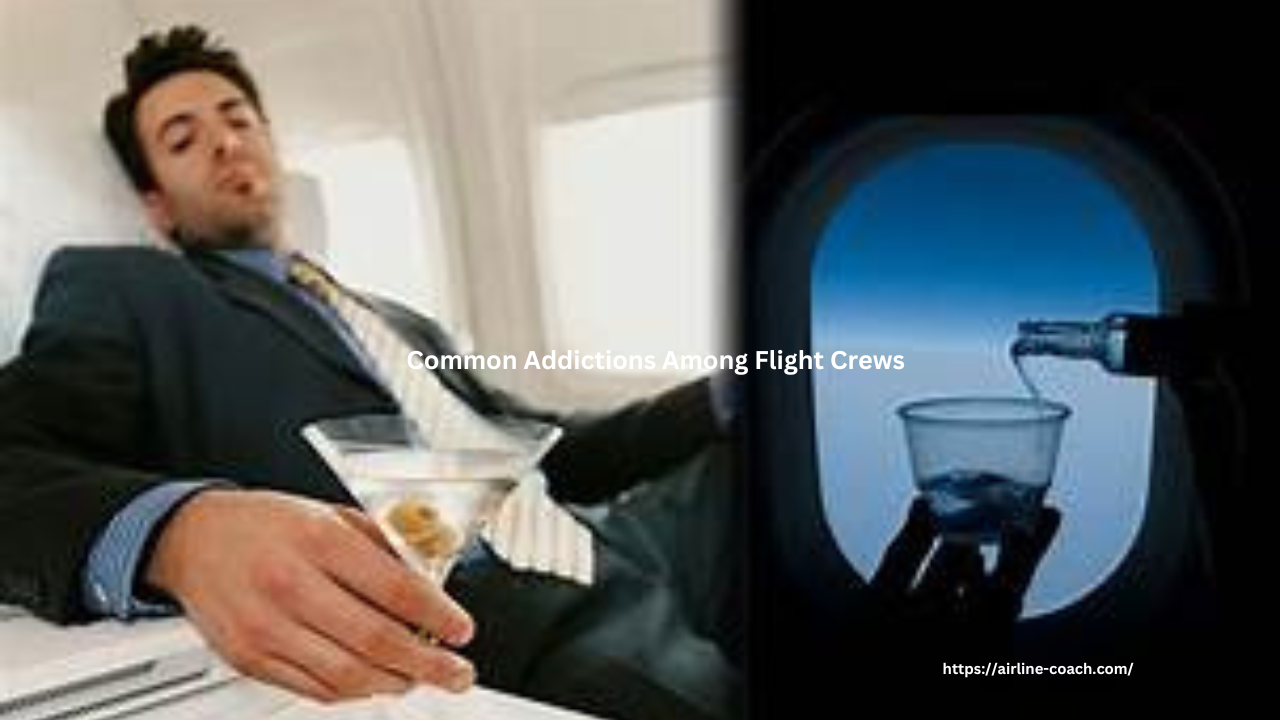
The aviation industry is often associated with glamour, adventure, and a jet-setting lifestyle. However, beneath the polished uniforms and smiling faces of flight crew members lies a lesser-known reality: the struggle with addiction. Pilots, flight attendants, and other airline personnel face unique stressors that can contribute to substance abuse, making addiction a serious yet often overlooked issue in the aviation world.
The High-Stress Lifestyle of Flight Crews
Flight crew members operate in a high-pressure environment where their performance directly impacts passenger safety. Long hours, unpredictable schedules, jet lag, and time zone changes create physical and mental exhaustion. The constant demand to remain alert and composed can lead many in the industry to seek relief through alcohol, prescription drugs, or illicit substances.
Moreover, isolation from family and friends due to frequent travel can take an emotional toll. Many flight attendants and pilots spend days or even weeks away from home, leading to loneliness and a lack of stable support systems. This transient lifestyle, combined with the expectation to maintain a cheerful and professional demeanor at all times, can drive individuals to self-medicate to cope with stress, anxiety, and depression.
Common Addictions Among Flight Crews
Alcohol is one of the most prevalent substances abused by flight crew members. The aviation industry’s culture often involves social drinking, whether to unwind after a long shift or bond with colleagues during layovers. While occasional drinking may seem harmless, it can quickly escalate into dependency, especially when used as a coping mechanism.
Prescription drug abuse is another growing concern. Sleep aids and stimulants are commonly used by flight crew members to combat jet lag and irregular sleep patterns. Some may rely on sedatives to fall asleep quickly before their next shift, while others turn to stimulants to stay awake during long-haul flights. Over time, this cycle can lead to addiction, affecting job performance and overall health.
Illicit drug use, while less common, also exists within the industry. Some flight crew members turn to substances like cocaine or amphetamines to maintain energy levels and meet the demands of their job. However, drug use not only jeopardizes their well-being but also compromises passenger safety and puts their careers at risk.
Addressing the Issue: Support and Recovery
Recognizing and addressing addiction in the aviation industry is crucial for both the well-being of flight crew members and passenger safety. Airlines and regulatory bodies have implemented strict drug and alcohol testing policies to prevent substance abuse. However, fear of job loss or professional stigma often discourages individuals from seeking help.
To combat this, airlines must prioritize mental health support and create confidential resources for employees struggling with addiction. Employee assistance programs (EAPs), peer support groups, and accessible rehabilitation options can provide the necessary tools for recovery. Encouraging open discussions about mental health and substance abuse can also reduce stigma and promote early intervention.
Conclusion
Addiction among flight crew members is a pressing issue that deserves greater attention. The pressures of the aviation industry, combined with a demanding lifestyle, make flight crews particularly vulnerable to substance abuse. By fostering a culture of support and awareness, the industry can help individuals seek treatment and recovery, ensuring both their well-being and the safety of those they serve. Addressing addiction at high altitudes is essential to preventing hard falls and promoting healthier, more sustainable careers in aviation.