30 May

Alcohol at 30,000 Feet: The Culture of Drinking Among Flight Crew Staff
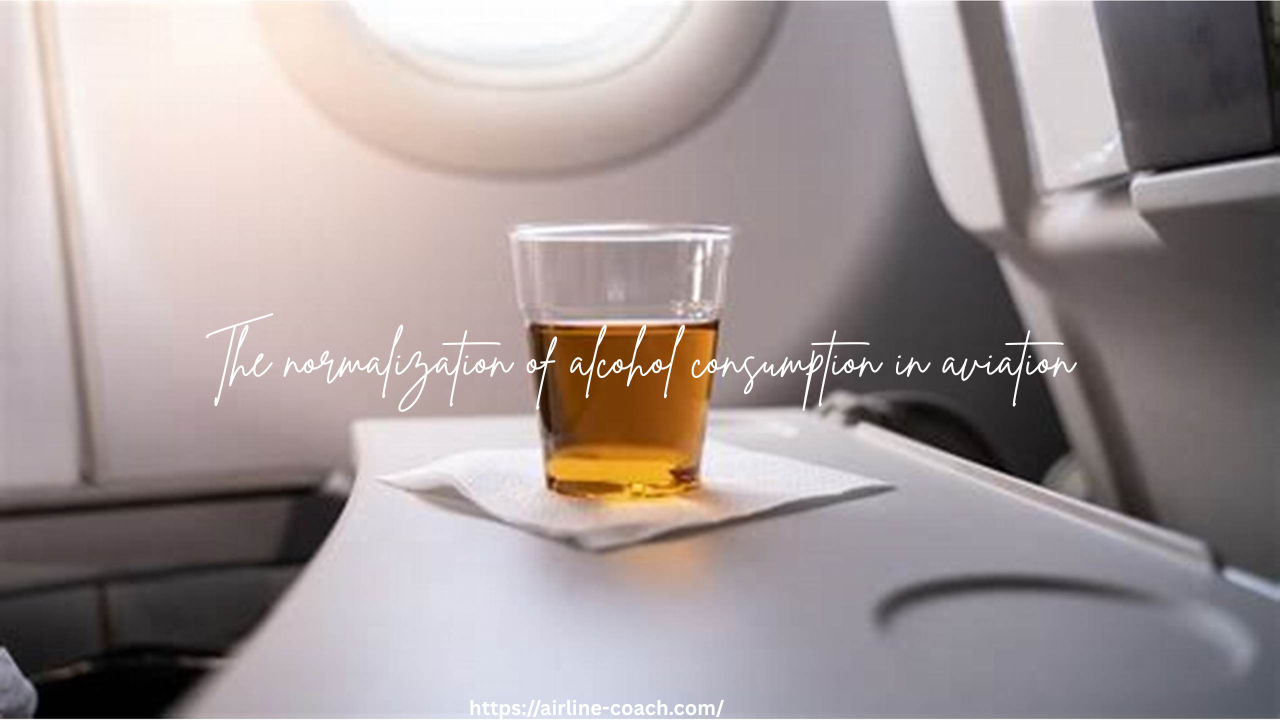
The aviation industry is known for its discipline and precision, but beneath the polished surface lies a longstanding culture of alcohol consumption among flight crew staff. From celebratory drinks after a long-haul flight to casual drinking during layovers, alcohol has woven itself into the social fabric of aviation. While many crew members consume alcohol responsibly, the unique pressures and lifestyle of the job can lead others down a dangerous path toward dependency.

A Tradition Rooted in Routine

Drinking among flight crews is not a new phenomenon. Historically, alcohol has been part of the camaraderie that develops between crew members who share intense, high-pressure work experiences. After spending long hours in the air, it’s common for crews to bond over drinks during layovers. For many, this routine becomes a way to unwind, socialize, and cope with the physical and emotional toll of the job.

The Influence of Isolation and Fatigue

Flight crew members often work irregular hours, crossing time zones and experiencing chronic jet lag. These factors disrupt sleep patterns and affect mood and energy levels. In unfamiliar cities far from home, with limited options for recreation and companionship, alcohol can become a readily available and socially accepted escape. What begins as a casual habit can gradually evolve into a coping mechanism for managing fatigue, stress, and loneliness.

Normalizing Alcohol Use

The normalization of alcohol consumption in aviation is perpetuated by the industry’s social culture. Crew members often describe a “work hard, play hard” mentality, where alcohol is viewed as a reward for enduring grueling schedules and demanding passengers. In some cases, the line between casual drinking and problematic behavior becomes blurred. Regular post-flight drinking can be seen as part of the job, making it harder to recognize when a habit turns harmful.

Risks to Safety and Health

While most flight crew members adhere to strict regulations prohibiting alcohol consumption before duty, there have been high-profile cases where substance use has jeopardized passenger safety. Even when off-duty, heavy drinking can impair cognitive function, delay recovery from jet lag, and negatively impact overall health. The long-term effects of frequent alcohol use include liver damage, mental health issues, and increased risk of dependency.

Barriers to Addressing the Issue

The stigma surrounding substance use in aviation makes it difficult for individuals to seek help. Crew members fear repercussions such as losing their certifications, facing disciplinary action, or damaging their careers. As a result, many choose to hide their struggles rather than pursue treatment. This silence allows the problem to persist beneath the surface.

Promoting a Healthier Culture

To address the culture of drinking in aviation, airlines and regulatory bodies must prioritize mental health and wellness. This includes creating support systems that encourage transparency, offering confidential counseling services, and promoting healthier ways to cope with stress. Education and training on substance use awareness can empower crew members to make informed decisions and recognize early warning signs.

Conclusion

Alcohol consumption among flight crew staff is deeply ingrained in the social dynamics of the aviation industry. While it often begins as a harmless way to relax and bond with colleagues, the pressures of the profession can turn drinking into a risky habit. By shifting the culture and providing effective support, the industry can help its professionals maintain both their health and the high standards of safety expected in the skies.
 

13 May

Cockpit Confessions: Substance Abuse and the Pressure of Perfection in Aviation

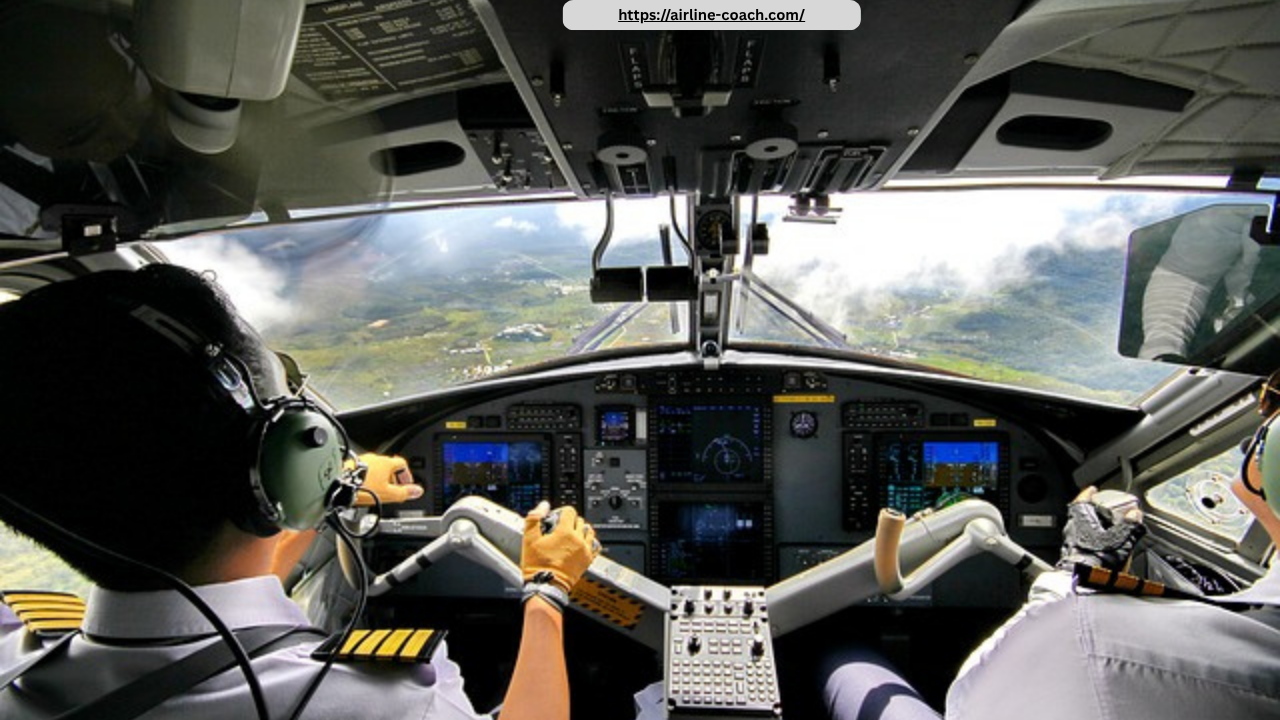
In the aviation industry, perfection isn’t just encouraged—it’s required. Pilots and cabin crew operate in a high-stakes environment where even the slightest error can have catastrophic consequences. This constant pressure to perform flawlessly, maintain composure, and adhere to rigorous safety standards has a profound psychological impact. For some, the burden becomes overwhelming, leading to a quiet struggle with substance abuse hidden behind the uniform and professionalism.

The Myth of Invincibility

Pilots and flight attendants are often seen as composed, capable, and in control. The cockpit and cabin are associated with order, precision, and authority. This myth of invincibility creates an expectation that aviation professionals must be immune to the emotional toll of their responsibilities. In reality, the pursuit of perfection can be mentally exhausting and emotionally isolating, leaving little room for vulnerability.

Performance Pressure and Psychological Strain

Pilots, in particular, face intense scrutiny. Every flight involves a multitude of technical decisions, communication with air traffic control, and the management of unpredictable conditions. Meanwhile, cabin crew members must juggle customer service with emergency preparedness, conflict resolution, and strict safety compliance. Mistakes are not tolerated, and the fear of disciplinary action or job loss adds to the psychological strain.

Turning to Substances for Relief

To cope with these pressures, some aviation professionals turn to alcohol, stimulants, or prescription medications. Alcohol is often used to unwind after flights or to deal with emotional fatigue. Stimulants might be used to combat jet lag and maintain alertness, while sedatives help with sleep during irregular rest periods. These substances may initially seem like manageable tools, but over time, they can develop into dependency and addiction.

A Culture of Silence

Despite the severity of the issue, substance abuse is rarely openly discussed in aviation. Admitting to a problem is perceived as a career-ending move. Pilots worry about being grounded permanently, while cabin crew fear dismissal or blacklisting. This fear fosters a culture of silence, where many struggle alone, hiding their issues rather than seeking help. The very systems designed to protect safety can, paradoxically, discourage transparency and early intervention.

Signs Often Missed

Because aviation professionals are trained to maintain a calm and collected demeanor, warning signs of substance abuse often go unnoticed. Subtle behavioral changes, mood swings, or declining performance might be written off as fatigue or stress. Without active efforts to identify and support at-risk individuals, substance use can escalate to dangerous levels before anyone intervenes.

Reforming the Approach to Mental Health

Addressing substance abuse in aviation requires a compassionate and comprehensive approach. Confidential treatment programs, regular mental health assessments, and peer support networks can provide a lifeline for those struggling. It’s also critical to revise industry policies that currently punish disclosure, replacing them with frameworks that encourage recovery and rehabilitation.

Conclusion

The pressure to be perfect in aviation can drive even the most competent professionals toward harmful coping mechanisms. Substance abuse among flight crews is a hidden crisis, fueled by stigma and fear. To truly protect the integrity of the industry, aviation must prioritize mental health, foster open dialogue, and provide the resources necessary for prevention and recovery. Only then can we move beyond cockpit confessions and toward lasting change.


1 May

Flying on Empty: The Hidden Mental Health Crisis Among Pilots and Cabin Crew

From the outside, the aviation world exudes confidence, professionalism, and luxury. Pilots and cabin crew are often perceived as composed and unshakeable, guiding passengers through the skies with calm efficiency. However, beneath the surface lies a growing mental health crisis. The pressures of constant travel, long work hours, and personal sacrifice are taking a serious toll on aviation professionals, many of whom are flying on emotional empty.

The Burden of Responsibility

Pilots carry the enormous responsibility of ensuring passenger safety and managing complex flight systems. Cabin crew members, while often seen as the smiling faces of customer service, are also trained first responders responsible for onboard emergencies. These roles demand peak mental alertness and emotional regulation, even in the face of fatigue, delays, and sometimes difficult passengers. The relentless demand to maintain composure can create a disconnect between one’s external demeanor and internal well-being.

Chronic Fatigue and Burnout

Irregular schedules, overnight flights, and shifting time zones wreak havoc on the body and mind. Sleep deprivation is a constant issue for flight crew, with many reporting difficulty getting quality rest during layovers or between shifts. Over time, this leads to chronic fatigue, a primary contributor to burnout, mood disturbances, and cognitive decline. For many crew members, the body may still be in motion long after landing, making true rest elusive.

Emotional Strain and Isolation

While aviation careers are built around mobility, they can leave individuals emotionally grounded. Time away from home and loved ones strains relationships and isolates crew members from traditional support systems. Important life events are often missed, and the fleeting nature of layover friendships offers little in terms of deep, lasting connection. Emotional detachment can set in, contributing to feelings of loneliness, depression, and anxiety.

The Mental Health Taboo

Despite the clear mental health risks, seeking help remains stigmatized in the aviation industry. Pilots, in particular, fear that admitting to psychological struggles could jeopardize their certification and livelihood. Cabin crew may also hesitate to report emotional distress, concerned about being seen as unfit for duty. As a result, many suffer in silence, managing symptoms without support and often resorting to unhealthy coping mechanisms such as alcohol or medication misuse.

Cracks in the System

Current regulations prioritize safety, but they often fail to account for the complex mental health needs of flight crew. Mandatory reporting systems can discourage honesty, and wellness programs vary widely in quality and accessibility. While airlines are beginning to implement employee assistance programs and peer support initiatives, these efforts must be expanded and destigmatized to make a meaningful impact.

A Path Forward

To address the hidden mental health crisis in aviation, a cultural shift is essential. Mental health screenings should become a routine part of crew wellness, not a threat to employment. Confidential access to counseling, stress management training, and robust peer support programs can create safer, healthier work environments. Encouraging open conversations and removing punitive consequences for seeking help will allow more crew members to come forward.

Conclusion

Pilots and cabin crew are the backbone of the aviation industry, entrusted with the lives of millions. Yet many are silently grappling with the weight of unacknowledged mental health challenges. By recognizing the issue, reducing stigma, and providing effective support, the aviation industry can ensure its professionals are not just flying, but thriving.