Emergency Landings: Seeking Recovery and Support in the Airline Industry
 In aviation, an emergency landing is a critical measure taken to prevent disaster. For flight crew members facing addiction or mental health crises, seeking recovery is much the same—an urgent step to avert personal and professional catastrophe. The airline industry, known for its high-pressure environment and culture of perfection, is finally beginning to recognize the importance of supporting recovery and mental wellness among its workforce.
A Profession at Risk
Pilots, flight attendants, and other airline professionals work under conditions that elevate the risk of mental health struggles and substance abuse. The constant crossing of time zones, sleep disruptions, long stretches away from home, and the emotional burden of ensuring passenger safety create fertile ground for burnout, anxiety, and depression. For some, coping mechanisms include alcohol, prescription drugs, or other substances. Without intervention, these issues can spiral into addiction, threatening careers and lives.
Breaking the Silence
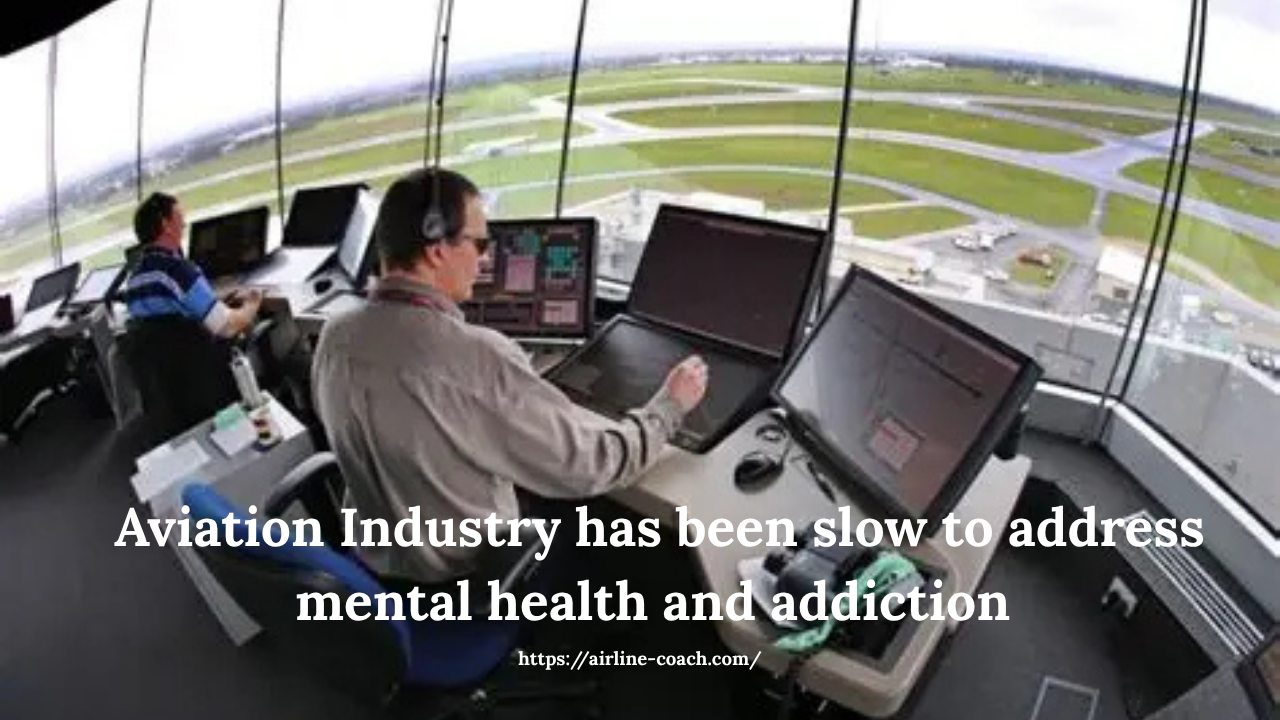
Traditionally, the aviation industry has been slow to address mental health and addiction. Many crew members fear professional repercussions if they admit to personal struggles. Pilots, in particular, are concerned about losing their medical certifications and the ability to fly. This fear fuels silence, allowing problems to worsen unchecked. However, just as a pilot must declare an emergency when safety is compromised, aviation professionals must be empowered to seek help without fear of stigma or punishment.
Programs for Recovery
Some airlines and aviation organizations are now establishing support programs designed specifically for flight crew members. Employee Assistance Programs (EAPs) offer confidential counseling services and referrals to treatment options. Peer support groups, led by individuals who have faced similar challenges, provide a nonjudgmental space for open conversation. These resources create a safety net, encouraging early intervention before a crisis occurs.
Industry-Wide Change
Regulatory bodies and airlines are beginning to shift from punitive approaches to compassionate, recovery-focused models. Programs like the Human Intervention Motivation Study (HIMS) in the United States allow pilots to enter monitored recovery programs while maintaining a path back to active flying. These initiatives emphasize treatment, accountability, and long-term support, demonstrating that recovery and professional competency can coexist.
Creating a Culture of Support
Building a supportive environment requires more than just programs; it demands a cultural change. Aviation leaders must promote mental health as a priority, encouraging conversations about stress, addiction, and emotional well-being. Training supervisors and managers to recognize early warning signs can lead to timely interventions. By normalizing recovery, the industry can reduce stigma and help crew members view seeking help as a sign of strength rather than weakness.
The Role of Peer Support
Peer support is particularly powerful in the airline industry because it bridges the gap between official programs and personal experience. Colleagues who have navigated recovery themselves can offer empathy, guidance, and reassurance. These connections create trust and foster a sense of community, reminding struggling crew members that they are not alone.
Conclusion
An emergency landing is never the goal, but when necessary, it saves lives. In the same way, seeking recovery and support in the airline industry is a critical step toward health and safety. By embracing compassion, offering accessible resources, and shifting cultural perceptions, the aviation world can help its professionals chart a course toward lasting recovery and well-being.