27 Nov

Layovers & Loneliness: The Hidden Side of the Flight Crew Lifestyle

The aviation world is often admired for its excitement and travel opportunities, but many people do not see the emotional challenges that come with life on the move. For pilots, flight attendants, and other airline staff, long layovers, irregular schedules, and constant time zone changes can create a deep sense of isolation. While the job demands professionalism and composure, the internal reality can be very different. At Airline Coach, we recognize how loneliness, stress, and exhaustion can affect mental health, relationships, and long-term well-being. Understanding these challenges is the first step toward healing, support, and a more balanced life.

The Emotional Weight of a Constantly Moving Lifestyle

Living out of hotel rooms may seem glamorous at first, but it often leads to emotional fatigue. Flight crews experience a lifestyle that rarely slows down, and the constant rhythm of departures and arrivals can make it difficult to build consistent routines.

The Hidden Impact of Layovers

Layovers can feel relaxing on the surface, but many crew members struggle during these extended periods of downtime in unfamiliar cities. Without family, friends, or familiar surroundings, loneliness can settle in quickly. Even when surrounded by colleagues, the emotional disconnect can be overwhelming.

Disrupted Sleep and Emotional Exhaustion

Crossing multiple time zones affects more than physical stamina. A disrupted sleep cycle impacts mood, mental clarity, and emotional resilience. When exhaustion becomes the norm, coping with daily pressures becomes much harder.

How Loneliness Influences Mental Health and Substance Use

Loneliness is not a minor emotional discomfort. For many flight crew members, it becomes a constant companion. When combined with job stress and limited support systems, it can contribute to anxiety, depression, and unhealthy coping habits.

When Substances Become a Way to Cope

Some aviation professionals may turn to alcohol or medication to unwind, sleep, or ease emotional tension. What begins as temporary relief can gradually develop into dependence. Recognizing this early is essential, especially in a field where long-term wellness directly affects safety.

The Pressure to Stay Strong

Flight crews are trained to stay calm under pressure. This expectation can make it difficult to acknowledge emotional struggles. Many fear judgment or worry about how reaching out for help might affect their careers. This often leads individuals to suppress stress rather than address it.

How Airline Coach Helps Aviation Professionals Heal

At Airline Coach, we understand that every aviation professional carries a unique story. Our programs are designed to meet crew members where they are and provide compassionate, confidential care that honors their career demands.

Personalized Mental Health and Addiction Support

We offer individualized treatment plans that may include inpatient care for focused recovery or outpatient care for those who need flexible scheduling. Each plan addresses emotional challenges, substance use concerns, and the lifestyle pressures that come with aviation work.

Holistic and Faith-Based Approaches

Our holistic and faith-based services support healing on every level. We integrate counseling, wellness practices, spiritual guidance, and stress-management strategies to help individuals rebuild emotional strength and find long-term balance.

Building Stronger Coping Tools

Clients learn practical skills to manage loneliness, handle demanding schedules, and maintain healthy habits on the road. These tools help crew members strengthen resilience and regain control over their mental health.

Reaching Out Is the First Step Toward Connection

Loneliness does not have to define the flight crew lifestyle. With the right support, aviation professionals can regain stability, reconnect with their purpose, and rediscover joy in both their work and personal lives. If you or someone you know is struggling with isolation, stress, or substance use, Airline Coach is here to help.

Visit Airline Coach today to begin your path toward healing, confidence, and emotional well-being.
18 Nov

High-Stress Skies: Understanding the Emotional Toll of Crew Life

Life as a flight crew member can look glamorous from the outside. Frequent travel, exotic destinations, and the prestige of being part of the airline industry can make the lifestyle seem exciting and enviable. However, behind the polished uniforms and professional smiles lies a reality that many people never see: the emotional and psychological toll of working in a high-pressure, constantly moving environment. Pilots, flight attendants, and ground staff face unique stressors that can impact mental health, increase the risk of substance dependence, and challenge overall well-being. At Airline Coach, we understand these challenges and provide compassionate, individualized support to help aviation professionals navigate their mental health and recovery journeys.

The Unique Stressors of Flight Crew Life

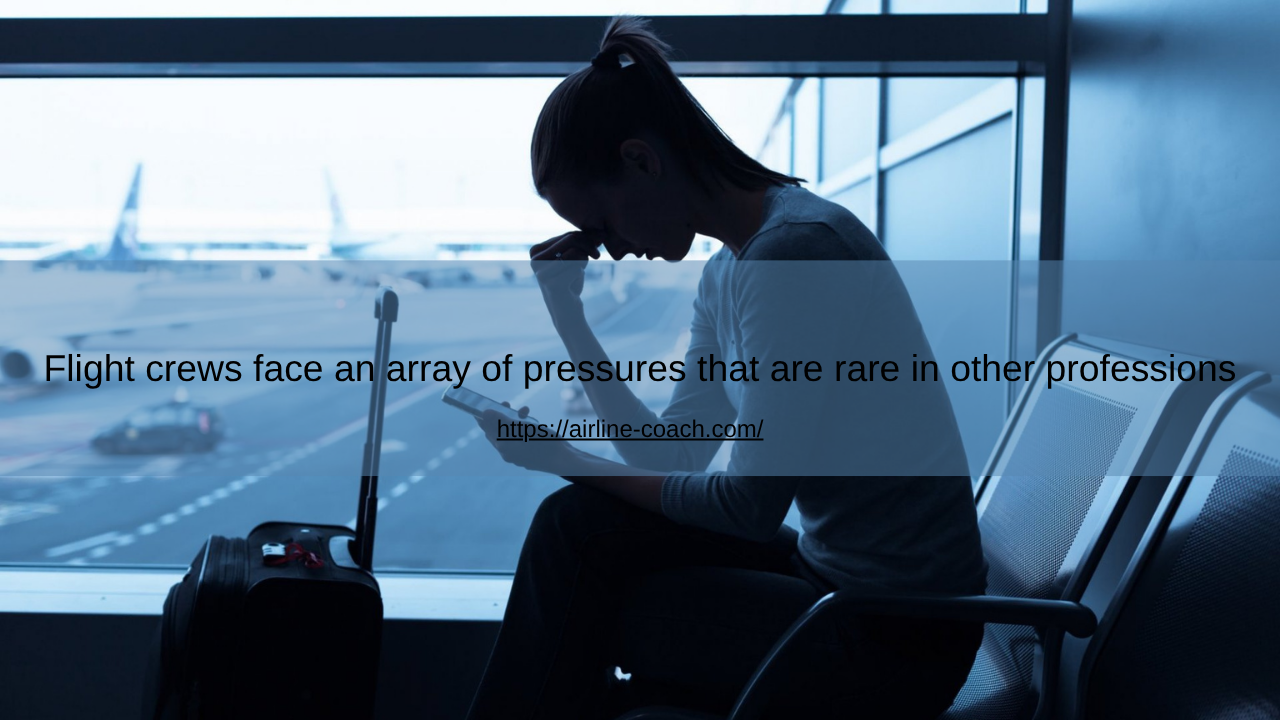
Flight crews face an array of pressures that are rare in other professions. Long hours, irregular schedules, and crossing multiple time zones contribute to chronic fatigue and disrupt normal sleep patterns. The high stakes of ensuring passenger safety, combined with constant public scrutiny, create an environment where stress and anxiety can flourish.

Common Emotional Challenges

  • Sleep disruption and fatigue: Jet lag and irregular schedules can negatively affect mood, focus, and overall emotional stability.

  • Isolation: Extended periods away from family and friends can lead to loneliness and emotional strain.

  • High responsibility: Every flight involves critical decision-making that impacts lives, heightening anxiety and pressure.

  • Coping through substances: Alcohol or prescription medication may be used to manage stress or sleep issues, which can lead to dependence if left unaddressed.

These factors make flight crew members particularly vulnerable to mental health concerns, including depression, anxiety, burnout, and substance misuse.

Recognizing the Need for Support

Acknowledging emotional struggles in aviation is essential but often difficult. Fear of professional consequences and industry stigma can prevent individuals from seeking help. Recognizing the signs of stress and mental health challenges early is crucial for prevention and long-term recovery.

Signs Flight Crew Members Should Watch For

  • Persistent fatigue or insomnia

  • Anxiety or irritability in both personal and professional settings

  • Reliance on alcohol or medication to cope

  • Difficulty maintaining relationships or focus

How Airline Coach Supports Aviation Professionals

At Airline Coach, we provide tailored programs to address the mental health and addiction challenges unique to aviation professionals. Our approach combines clinical expertise, holistic care, and individualized treatment plans designed to foster sustainable recovery.

Individualized Treatment Plans

We understand that every aviation professional’s journey is unique. Our programs can include inpatient care for intensive support or outpatient programs for those balancing work and recovery. Each plan is personalized to address the individual’s emotional, professional, and personal needs.

Holistic and Faith-Based Healing

True recovery addresses mind, body, and spirit. Our programs integrate counseling, mindfulness practices, nutrition, physical wellness, and faith-based guidance to support emotional resilience and long-term well-being.

Building Resilience and Coping Strategies

Clients learn practical strategies to manage stress, maintain emotional balance, and navigate the pressures of aviation life. This preparation not only supports recovery but strengthens the skills needed to thrive professionally and personally.

Taking the First Step Toward Healing

Flight crew members do not have to face the emotional toll of their profession alone. With the right support, it is possible to address stress, prevent burnout, and overcome substance dependence while maintaining a successful career.

If you or someone you know is struggling with the emotional challenges of aviation life, contact Airline Coach today. Our compassionate team is ready to provide individualized guidance, holistic care, and professional support to help aviation professionals reclaim balance, confidence, and wellness.

7 Nov

Resilient Wings: How Support Networks Strengthen Recovery in Aviation

Addiction and mental health challenges can feel isolating, especially for aviation professionals who are expected to maintain focus, composure, and control under pressure. For pilots, flight attendants, mechanics, and air traffic controllers, the weight of responsibility can make asking for help seem daunting. Yet, one of the most powerful tools for lasting recovery is often the one most overlooked: a strong support network. At Airline Coach, we believe that recovery takes flight when individuals are surrounded by understanding, trust, and genuine connection.

The Importance of Connection in Recovery

Recovery from addiction or mental health struggles is not a journey meant to be taken alone. In aviation, where individuals often spend long hours away from home, maintaining emotional balance can be a challenge. A solid support system provides encouragement, accountability, and reassurance during the ups and downs of healing.

Why Connection Matters

When someone is battling addiction or mental distress, isolation can intensify feelings of shame and hopelessness. Support networks—whether through family, peers, colleagues, or professional counseling—offer a sense of belonging and understanding. They remind individuals that they are not defined by their struggles, but by their courage to seek change.

In the aviation world, where perfection and precision are daily expectations, this kind of emotional grounding is essential. Support networks help aviation professionals regain confidence and build resilience, both in their careers and personal lives.

Building a Strong Foundation for Recovery

At Airline Coach, we recognize that each recovery journey is unique. Our treatment programs are designed to not only address the physical and emotional aspects of addiction but also to strengthen the support systems that sustain long-term recovery.

Holistic and Faith-Based Care

Healing is most effective when it nurtures the whole person—mind, body, and spirit. Our holistic and faith-based programs help clients reconnect with their purpose, find inner peace, and rebuild trust in themselves and others. Through counseling, mindfulness practices, and spiritual support, aviation professionals learn how to replace harmful coping mechanisms with healthy, life-affirming habits.

Family and Peer Support

Families play a critical role in the recovery process. We encourage open communication and family involvement through therapy and education, helping loved ones understand how to offer constructive support.

Peer networks also make a tremendous difference. Connecting with others in the aviation industry who understand the unique pressures of the job creates an environment of empathy and shared experience. Whether through group therapy sessions or recovery communities, these connections inspire strength and hope.

Professional Guidance and Confidential Care

For many aviation professionals, fear of stigma or career repercussions can prevent them from seeking help. At Airline Coach, confidentiality and professionalism are top priorities. Our licensed clinicians and recovery specialists understand the complexities of the aviation field and provide a safe, discreet environment where clients can heal without fear of judgment.

Sustaining Recovery Through Ongoing Support

Recovery does not end when treatment concludes. It is a lifelong process of growth, self-awareness, and connection. That is why Airline Coach offers ongoing support through aftercare programs, wellness check-ins, and access to community resources. These ongoing touchpoints help clients maintain their progress and continue building resilience long after they return to their careers.

Taking the First Step Toward Healing

In aviation, resilience is a defining trait. Pilots and crew members face turbulence, adapt quickly, and stay composed under pressure. That same resilience can be harnessed in recovery. With the right support network and professional guidance, healing is not only possible but sustainable.

If you or someone you know in the aviation industry is struggling with addiction or mental health challenges, reach out to Airline Coach today. Our compassionate team is here to help you rebuild, recover, and rediscover the strength that has always been within you.