From Turbulence to Tranquility: Self‑Care Tips Every Flight Attendant and Pilot Should Know
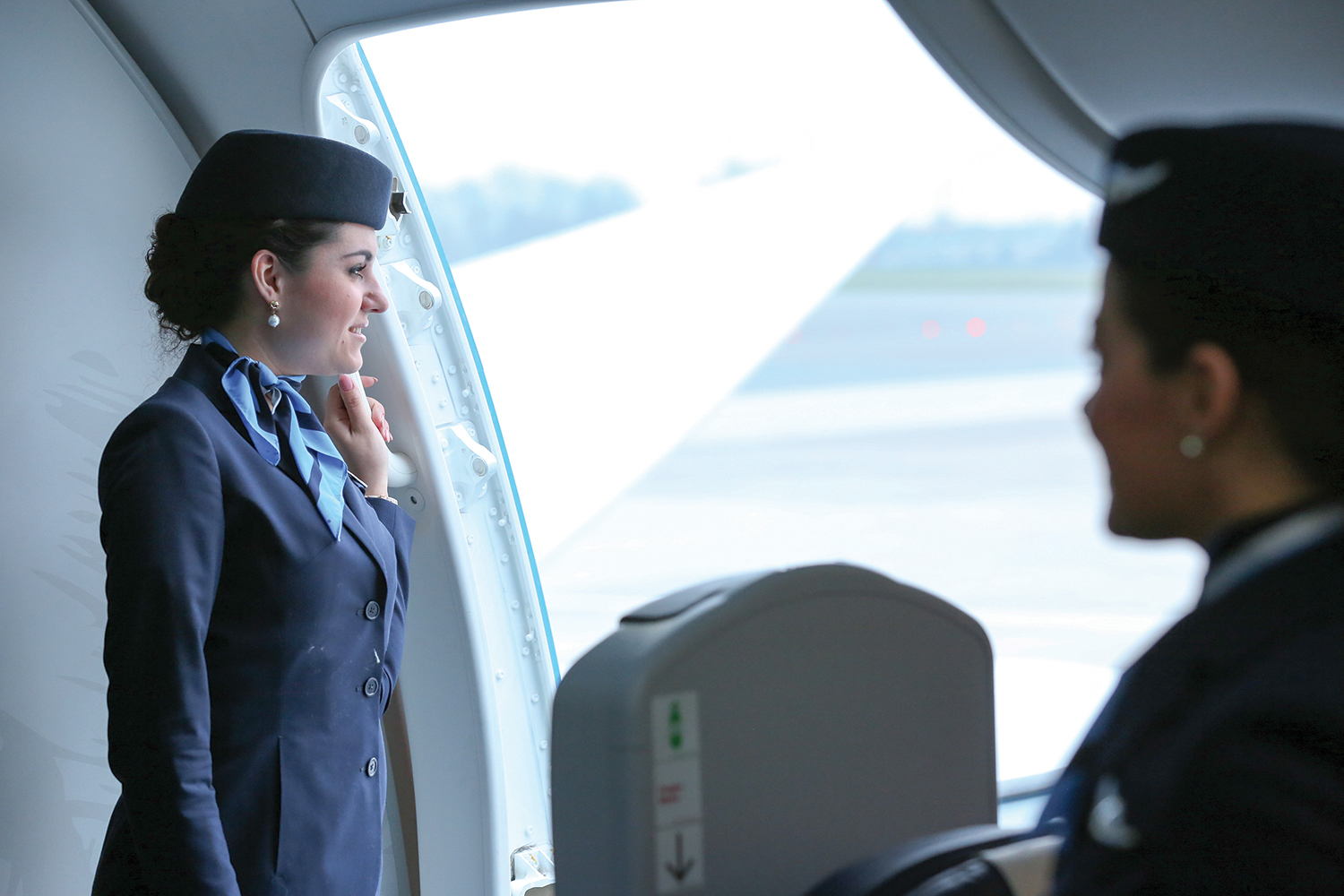
Life in the skies can be both thrilling and demanding. Flight attendants and pilots navigate tight schedules, irregular sleep patterns, and high-stress environments while maintaining professionalism and ensuring passenger safety. While the job offers adventure and unique experiences, it can also create physical, emotional, and mental strain. Prioritizing self-care is essential for long-term health, resilience, and well-being. Implementing strategies to manage stress, improve sleep, and support emotional wellness helps aviation professionals thrive both on and off duty.
Understanding the Unique Demands of Flight Crew Life
Flight crews face challenges that are not always visible to passengers. Long work hours, frequent time zone changes, and high-pressure responsibilities can disrupt sleep, increase fatigue, and elevate stress levels. Over time, these factors can affect mental health, potentially leading to anxiety, depression, or unhealthy coping mechanisms such as substance use. Recognizing these stressors is the first step toward maintaining balance and preventing burnout.
Mental health is just as critical as physical health. The need to remain alert and composed during every flight adds an additional layer of pressure. Flight crew members may feel isolated or hesitant to seek help, making proactive self-care and professional support even more important.
Practical Self-Care Strategies for Flight Crew Members
Aviation professionals can implement simple yet effective self-care practices to improve their overall well-being. The following strategies focus on mental, emotional, and physical health:
Prioritize Sleep and Rest
Sleep disruption is one of the most significant challenges for flight crews. Establishing a consistent sleep routine when possible, using blackout curtains or sleep masks, and creating a quiet, restful environment can help improve rest and reduce fatigue. Avoiding caffeine or alcohol before sleep also supports better quality rest.
Manage Stress with Mindfulness and Relaxation
Mindfulness practices, such as meditation, deep breathing, or progressive muscle relaxation, can help regulate stress and calm the mind. Even a few minutes of mindfulness during layovers or breaks can improve focus, reduce anxiety, and enhance emotional resilience.
Maintain a Balanced Diet
Eating nutritious meals at regular intervals supports energy levels and mood stability. Flight crew members should aim for meals rich in protein, healthy fats, and complex carbohydrates while staying hydrated throughout the day.
Stay Physically Active
Regular exercise promotes mental clarity, reduces stress, and supports overall physical health. Simple routines like stretching, resistance band exercises, or short walks between flights can help maintain fitness while accommodating a travel-heavy schedule.
Build a Support Network
Strong personal and professional support networks are vital for emotional well-being. Colleagues, family members, and peer support groups provide encouragement, accountability, and understanding. Talking openly about challenges with trusted individuals helps prevent isolation and reinforces healthy coping strategies.
Integrating Professional Support
Professional guidance can complement self-care practices and address deeper challenges related to stress, mental health, or substance use. At Airline Coach, programs offer individualized and holistic approaches to care, including inpatient and outpatient treatment, faith-based guidance, and therapy focused on building resilience. Accessing professional support early allows aviation professionals to manage stress proactively and develop long-term wellness strategies.
Navigating a Healthier Flight Path
Self-care is not a luxury for flight attendants and pilots; it is essential for maintaining health, safety, and professional performance. Prioritizing sleep, managing stress, eating well, staying active, and seeking professional support when needed can help aviation professionals move from turbulence to tranquility in both their personal and professional lives. If you or someone you know is struggling with stress, mental health challenges, or substance use, reaching out for support is a crucial first step. Contact a trusted mental health or addiction recovery professional today to begin your journey toward balance, wellness, and resilience.