Alcohol at 30,000 Feet: The Culture of Drinking Among Flight Crew Staff
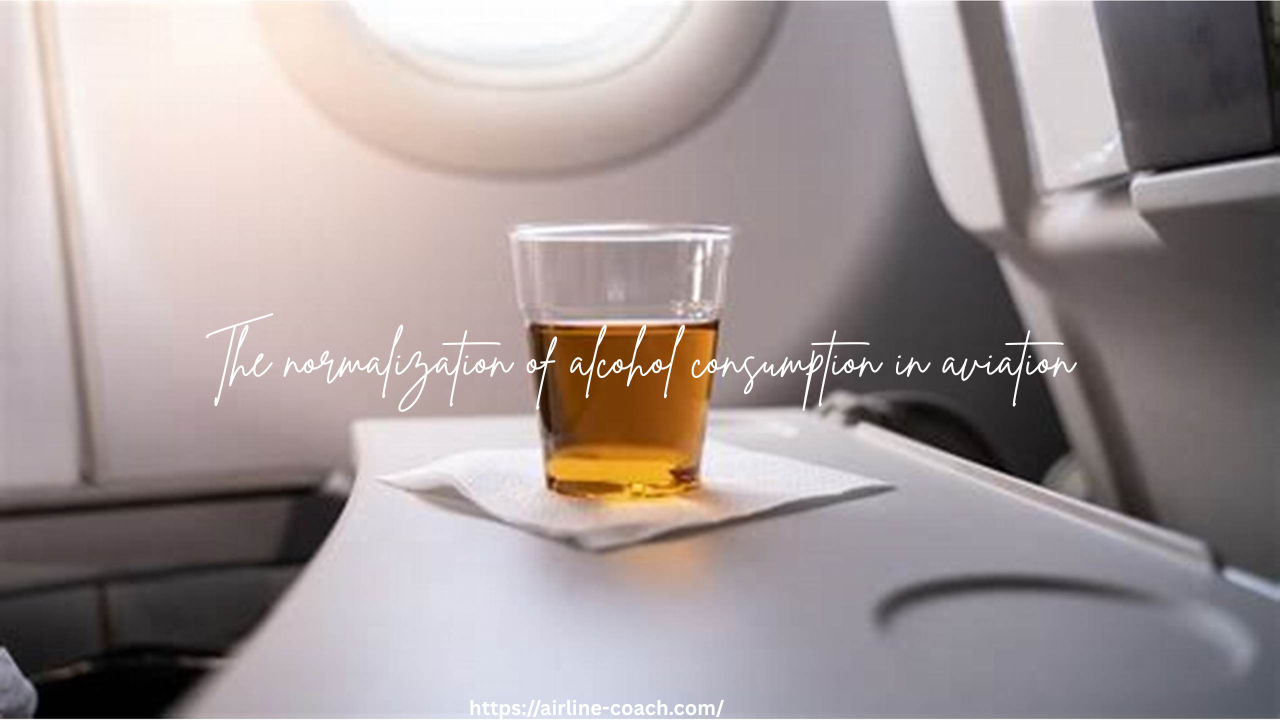 The aviation industry is known for its discipline and precision, but beneath the polished surface lies a longstanding culture of alcohol consumption among flight crew staff. From celebratory drinks after a long-haul flight to casual drinking during layovers, alcohol has woven itself into the social fabric of aviation. While many crew members consume alcohol responsibly, the unique pressures and lifestyle of the job can lead others down a dangerous path toward dependency.
A Tradition Rooted in Routine
Drinking among flight crews is not a new phenomenon. Historically, alcohol has been part of the camaraderie that develops between crew members who share intense, high-pressure work experiences. After spending long hours in the air, it’s common for crews to bond over drinks during layovers. For many, this routine becomes a way to unwind, socialize, and cope with the physical and emotional toll of the job.
The Influence of Isolation and Fatigue
Flight crew members often work irregular hours, crossing time zones and experiencing chronic jet lag. These factors disrupt sleep patterns and affect mood and energy levels. In unfamiliar cities far from home, with limited options for recreation and companionship, alcohol can become a readily available and socially accepted escape. What begins as a casual habit can gradually evolve into a coping mechanism for managing fatigue, stress, and loneliness.
Normalizing Alcohol Use
The normalization of alcohol consumption in aviation is perpetuated by the industry’s social culture. Crew members often describe a “work hard, play hard” mentality, where alcohol is viewed as a reward for enduring grueling schedules and demanding passengers. In some cases, the line between casual drinking and problematic behavior becomes blurred. Regular post-flight drinking can be seen as part of the job, making it harder to recognize when a habit turns harmful.
Risks to Safety and Health
While most flight crew members adhere to strict regulations prohibiting alcohol consumption before duty, there have been high-profile cases where substance use has jeopardized passenger safety. Even when off-duty, heavy drinking can impair cognitive function, delay recovery from jet lag, and negatively impact overall health. The long-term effects of frequent alcohol use include liver damage, mental health issues, and increased risk of dependency.
Barriers to Addressing the Issue
The stigma surrounding substance use in aviation makes it difficult for individuals to seek help. Crew members fear repercussions such as losing their certifications, facing disciplinary action, or damaging their careers. As a result, many choose to hide their struggles rather than pursue treatment. This silence allows the problem to persist beneath the surface.
Promoting a Healthier Culture
To address the culture of drinking in aviation, airlines and regulatory bodies must prioritize mental health and wellness. This includes creating support systems that encourage transparency, offering confidential counseling services, and promoting healthier ways to cope with stress. Education and training on substance use awareness can empower crew members to make informed decisions and recognize early warning signs.
Conclusion
Alcohol consumption among flight crew staff is deeply ingrained in the social dynamics of the aviation industry. While it often begins as a harmless way to relax and bond with colleagues, the pressures of the profession can turn drinking into a risky habit. By shifting the culture and providing effective support, the industry can help its professionals maintain both their health and the high standards of safety expected in the skies.