4 Aug

Wings of Resilience: Overcoming Addiction and Mental Health Challenges in Aviation

Working in aviation comes with a unique set of challenges. From crossing time zones to coping with intense pressure and irregular schedules, flight crews and aviation professionals often face silent battles that the world never sees. Behind the polished uniforms and professional demeanor, many struggle with addiction and mental health issues that stem from a high-stress, high-responsibility lifestyle. At Airline Coach, we understand these challenges deeply and provide tailored recovery solutions to help individuals in the aviation industry reclaim control and well-being.

The Hidden Crisis Among Aviation Professionals

Aviation professionals are often held to the highest standards, expected to perform flawlessly under pressure. While this commitment to safety and excellence is essential, it can also create an environment where stress, anxiety, depression, and substance misuse quietly thrive. Pilots, flight attendants, and ground staff frequently experience long periods away from home, inconsistent sleep, emotional fatigue, and limited access to mental health support.

For many, alcohol or prescription medications become a way to cope with sleep disturbances, loneliness, or the mental toll of the job. Over time, these coping strategies can turn into dependence, leading to serious personal and professional consequences.

A Unique Approach to Treatment and Recovery

At Airline Coach, we specialize in helping aviation professionals navigate addiction recovery and mental health treatment through compassionate, comprehensive care. What sets us apart is our holistic and faith-based approach that honors the individual. We know that one-size-fits-all solutions don’t work in a field as dynamic and demanding as aviation.

Individualized Treatment Plans

We take the time to understand each client’s background, career demands, and personal journey. Whether you’re dealing with alcohol dependency, prescription medication misuse, anxiety, or depression, we tailor our inpatient and outpatient programs to support your specific recovery goals.

Inpatient and Outpatient Flexibility

Our structured inpatient care provides a supportive environment for individuals who need intensive treatment. For those who prefer to continue working or maintain family responsibilities while in recovery, our outpatient programs offer flexibility without compromising the quality of care.

Holistic Healing for Lasting Recovery

Healing goes beyond symptom management. Our programs integrate physical wellness, spiritual growth, emotional resilience, and practical tools for long-term recovery. From nutrition and fitness to therapy, mindfulness practices, and faith-based counseling, we address the whole person.

Support from People Who Understand Your World

What makes Airline Coach especially effective is our experience with the aviation industry. We understand the regulatory requirements, professional concerns, and the deeply ingrained culture of silence that often prevents individuals from seeking help. Our team is trained to offer judgment-free, confidential support that prioritizes safety, dignity, and trust.

Take the First Step Toward Healing

If you or someone you love is struggling with addiction or mental health challenges in the aviation industry, you are not alone. Recovery is possible, and it begins with reaching out. At Airline Coach, we are here to walk alongside you every step of the way.

Don’t wait for a crisis to make a change. Contact us today to learn more about our addiction recovery and mental health treatment programs for aviation professionals. Together, we can help you rediscover your strength, rebuild your confidence, and regain the freedom to soar.

Visit Airline Coach to start your journey today.

19 Jul

Emergency Landings: Seeking Recovery and Support in the Airline Industry

In aviation, an emergency landing is a critical measure taken to prevent disaster. For flight crew members facing addiction or mental health crises, seeking recovery is much the same—an urgent step to avert personal and professional catastrophe. The airline industry, known for its high-pressure environment and culture of perfection, is finally beginning to recognize the importance of supporting recovery and mental wellness among its workforce.

A Profession at Risk

Pilots, flight attendants, and other airline professionals work under conditions that elevate the risk of mental health struggles and substance abuse. The constant crossing of time zones, sleep disruptions, long stretches away from home, and the emotional burden of ensuring passenger safety create fertile ground for burnout, anxiety, and depression. For some, coping mechanisms include alcohol, prescription drugs, or other substances. Without intervention, these issues can spiral into addiction, threatening careers and lives.

Breaking the Silence

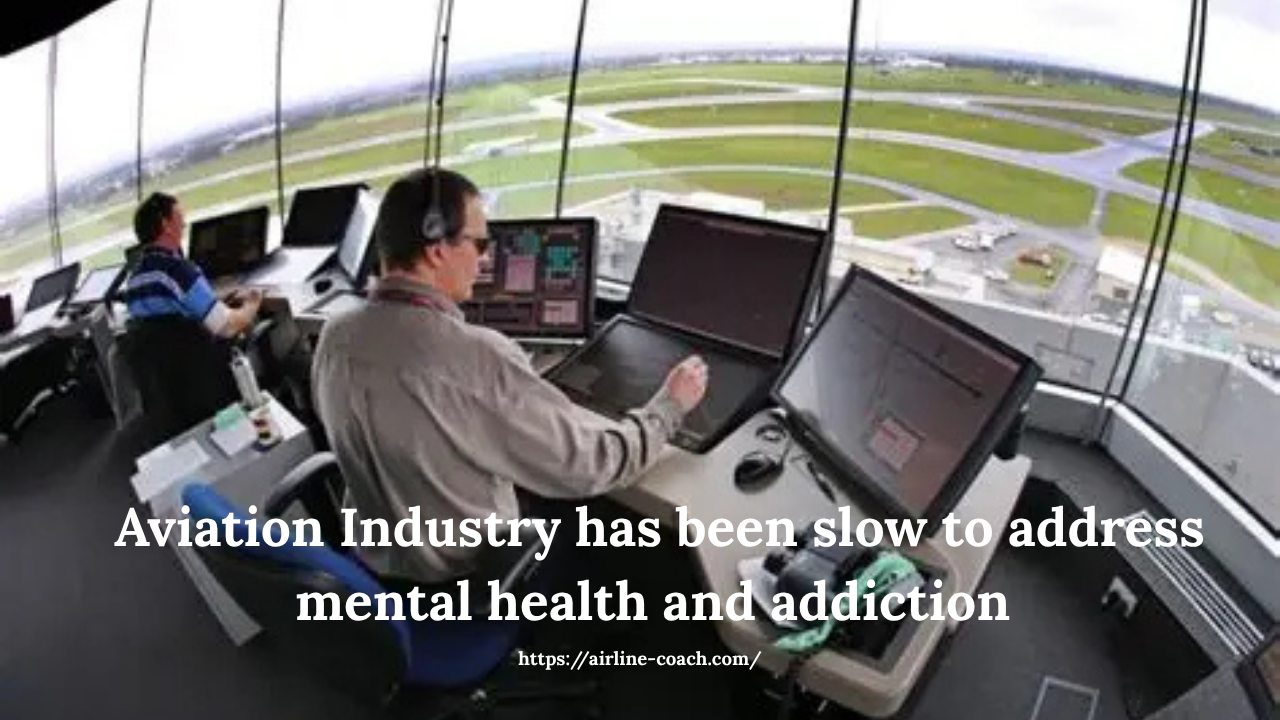
Traditionally, the aviation industry has been slow to address mental health and addiction. Many crew members fear professional repercussions if they admit to personal struggles. Pilots, in particular, are concerned about losing their medical certifications and the ability to fly. This fear fuels silence, allowing problems to worsen unchecked. However, just as a pilot must declare an emergency when safety is compromised, aviation professionals must be empowered to seek help without fear of stigma or punishment.

Programs for Recovery

Some airlines and aviation organizations are now establishing support programs designed specifically for flight crew members. Employee Assistance Programs (EAPs) offer confidential counseling services and referrals to treatment options. Peer support groups, led by individuals who have faced similar challenges, provide a nonjudgmental space for open conversation. These resources create a safety net, encouraging early intervention before a crisis occurs.

Industry-Wide Change

Regulatory bodies and airlines are beginning to shift from punitive approaches to compassionate, recovery-focused models. Programs like the Human Intervention Motivation Study (HIMS) in the United States allow pilots to enter monitored recovery programs while maintaining a path back to active flying. These initiatives emphasize treatment, accountability, and long-term support, demonstrating that recovery and professional competency can coexist.

Creating a Culture of Support

Building a supportive environment requires more than just programs; it demands a cultural change. Aviation leaders must promote mental health as a priority, encouraging conversations about stress, addiction, and emotional well-being. Training supervisors and managers to recognize early warning signs can lead to timely interventions. By normalizing recovery, the industry can reduce stigma and help crew members view seeking help as a sign of strength rather than weakness.

The Role of Peer Support

Peer support is particularly powerful in the airline industry because it bridges the gap between official programs and personal experience. Colleagues who have navigated recovery themselves can offer empathy, guidance, and reassurance. These connections create trust and foster a sense of community, reminding struggling crew members that they are not alone.

Conclusion

An emergency landing is never the goal, but when necessary, it saves lives. In the same way, seeking recovery and support in the airline industry is a critical step toward health and safety. By embracing compassion, offering accessible resources, and shifting cultural perceptions, the aviation world can help its professionals chart a course toward lasting recovery and well-being.


13 Jun

Between Time Zones and Temptations: The Link Between Aviation Lifestyles and Addiction

The aviation industry offers a unique blend of prestige, adventure, and challenge. Pilots and cabin crew members are admired for their professionalism and ability to navigate complex environments. Yet, behind the glamour of international travel and crisp uniforms lies a harsh reality: the aviation lifestyle can create fertile ground for addiction. The combination of irregular schedules, chronic fatigue, isolation, and easy access to substances contributes to a growing concern within the industry.

Living Between Time Zones

One of the defining features of aviation life is the constant crossing of time zones. Flight crew members often find themselves battling jet lag, operating at odd hours, and struggling to maintain regular sleep patterns. This chronic disruption of the body’s natural rhythms affects mood, concentration, and overall mental health. Over time, some individuals seek relief through substances—whether it’s alcohol to help them sleep, stimulants to stay alert, or other drugs to manage stress and anxiety.

The Temptations of the Layover Lifestyle

Layovers, often romanticized as mini-vacations, can present hidden dangers. Flight crew members spend significant time in unfamiliar cities, away from the structure of home life. With downtime to fill and limited support systems nearby, alcohol and other substances can become tempting outlets for relaxation or social connection. Group drinking sessions during layovers may start as harmless bonding but can evolve into habitual patterns of substance use.

Isolation and Emotional Strain

While aviation professionals work in teams, the lifestyle can feel surprisingly isolating. Time away from loved ones, missed milestones, and difficulty maintaining relationships contribute to emotional strain. Many pilots and cabin crew members report feelings of loneliness, disconnection, and sadness. Without adequate emotional support, some turn to substances as a coping mechanism, finding temporary solace that can lead to dependency.

The Culture of Silence

Despite the risks, discussing addiction in aviation remains taboo. Pilots, in particular, fear that disclosing a problem will result in grounding or job loss. Cabin crew face similar concerns about their careers and reputations. This culture of silence prevents early intervention and keeps many suffering in isolation. The very standards designed to protect passenger safety can inadvertently discourage those in need from seeking help.

Moving Toward Solutions

Addressing addiction in aviation requires a compassionate and proactive approach. Airlines and regulatory bodies must work together to create confidential support systems that allow crew members to seek help without fear of punishment. Education on substance use, stress management, and mental health should be integrated into training programs. Peer support networks and employee assistance programs can provide safe spaces for individuals to share their experiences and access resources.

Conclusion

The aviation lifestyle, with its constant movement across time zones and exposure to unique stressors, can increase vulnerability to addiction. Recognizing the link between these factors and substance use is the first step in fostering a healthier, safer industry. By breaking the silence and providing meaningful support, aviation can help its professionals manage the pressures of the skies without turning to harmful coping mechanisms.


30 May

Alcohol at 30,000 Feet: The Culture of Drinking Among Flight Crew Staff

The aviation industry is known for its discipline and precision, but beneath the polished surface lies a longstanding culture of alcohol consumption among flight crew staff. From celebratory drinks after a long-haul flight to casual drinking during layovers, alcohol has woven itself into the social fabric of aviation. While many crew members consume alcohol responsibly, the unique pressures and lifestyle of the job can lead others down a dangerous path toward dependency.

A Tradition Rooted in Routine

Drinking among flight crews is not a new phenomenon. Historically, alcohol has been part of the camaraderie that develops between crew members who share intense, high-pressure work experiences. After spending long hours in the air, it’s common for crews to bond over drinks during layovers. For many, this routine becomes a way to unwind, socialize, and cope with the physical and emotional toll of the job.

The Influence of Isolation and Fatigue

Flight crew members often work irregular hours, crossing time zones and experiencing chronic jet lag. These factors disrupt sleep patterns and affect mood and energy levels. In unfamiliar cities far from home, with limited options for recreation and companionship, alcohol can become a readily available and socially accepted escape. What begins as a casual habit can gradually evolve into a coping mechanism for managing fatigue, stress, and loneliness.

Normalizing Alcohol Use

The normalization of alcohol consumption in aviation is perpetuated by the industry’s social culture. Crew members often describe a “work hard, play hard” mentality, where alcohol is viewed as a reward for enduring grueling schedules and demanding passengers. In some cases, the line between casual drinking and problematic behavior becomes blurred. Regular post-flight drinking can be seen as part of the job, making it harder to recognize when a habit turns harmful.

Risks to Safety and Health

While most flight crew members adhere to strict regulations prohibiting alcohol consumption before duty, there have been high-profile cases where substance use has jeopardized passenger safety. Even when off-duty, heavy drinking can impair cognitive function, delay recovery from jet lag, and negatively impact overall health. The long-term effects of frequent alcohol use include liver damage, mental health issues, and increased risk of dependency.

Barriers to Addressing the Issue

The stigma surrounding substance use in aviation makes it difficult for individuals to seek help. Crew members fear repercussions such as losing their certifications, facing disciplinary action, or damaging their careers. As a result, many choose to hide their struggles rather than pursue treatment. This silence allows the problem to persist beneath the surface.

Promoting a Healthier Culture

To address the culture of drinking in aviation, airlines and regulatory bodies must prioritize mental health and wellness. This includes creating support systems that encourage transparency, offering confidential counseling services, and promoting healthier ways to cope with stress. Education and training on substance use awareness can empower crew members to make informed decisions and recognize early warning signs.

Conclusion

Alcohol consumption among flight crew staff is deeply ingrained in the social dynamics of the aviation industry. While it often begins as a harmless way to relax and bond with colleagues, the pressures of the profession can turn drinking into a risky habit. By shifting the culture and providing effective support, the industry can help its professionals maintain both their health and the high standards of safety expected in the skies.


13 May

Cockpit Confessions: Substance Abuse and the Pressure of Perfection in Aviation

In the aviation industry, perfection isn’t just encouraged—it’s required. Pilots and cabin crew operate in a high-stakes environment where even the slightest error can have catastrophic consequences. This constant pressure to perform flawlessly, maintain composure, and adhere to rigorous safety standards has a profound psychological impact. For some, the burden becomes overwhelming, leading to a quiet struggle with substance abuse hidden behind the uniform and professionalism.

The Myth of Invincibility

Pilots and flight attendants are often seen as composed, capable, and in control. The cockpit and cabin are associated with order, precision, and authority. This myth of invincibility creates an expectation that aviation professionals must be immune to the emotional toll of their responsibilities. In reality, the pursuit of perfection can be mentally exhausting and emotionally isolating, leaving little room for vulnerability.

Performance Pressure and Psychological Strain

Pilots, in particular, face intense scrutiny. Every flight involves a multitude of technical decisions, communication with air traffic control, and the management of unpredictable conditions. Meanwhile, cabin crew members must juggle customer service with emergency preparedness, conflict resolution, and strict safety compliance. Mistakes are not tolerated, and the fear of disciplinary action or job loss adds to the psychological strain.

Turning to Substances for Relief

To cope with these pressures, some aviation professionals turn to alcohol, stimulants, or prescription medications. Alcohol is often used to unwind after flights or to deal with emotional fatigue. Stimulants might be used to combat jet lag and maintain alertness, while sedatives help with sleep during irregular rest periods. These substances may initially seem like manageable tools, but over time, they can develop into dependency and addiction.

A Culture of Silence

Despite the severity of the issue, substance abuse is rarely openly discussed in aviation. Admitting to a problem is perceived as a career-ending move. Pilots worry about being grounded permanently, while cabin crew fear dismissal or blacklisting. This fear fosters a culture of silence, where many struggle alone, hiding their issues rather than seeking help. The very systems designed to protect safety can, paradoxically, discourage transparency and early intervention.

Signs Often Missed

Because aviation professionals are trained to maintain a calm and collected demeanor, warning signs of substance abuse often go unnoticed. Subtle behavioral changes, mood swings, or declining performance might be written off as fatigue or stress. Without active efforts to identify and support at-risk individuals, substance use can escalate to dangerous levels before anyone intervenes.

Reforming the Approach to Mental Health

Addressing substance abuse in aviation requires a compassionate and comprehensive approach. Confidential treatment programs, regular mental health assessments, and peer support networks can provide a lifeline for those struggling. It’s also critical to revise industry policies that currently punish disclosure, replacing them with frameworks that encourage recovery and rehabilitation.

Conclusion

The pressure to be perfect in aviation can drive even the most competent professionals toward harmful coping mechanisms. Substance abuse among flight crews is a hidden crisis, fueled by stigma and fear. To truly protect the integrity of the industry, aviation must prioritize mental health, foster open dialogue, and provide the resources necessary for prevention and recovery. Only then can we move beyond cockpit confessions and toward lasting change.


1 May

Flying on Empty: The Hidden Mental Health Crisis Among Pilots and Cabin Crew

From the outside, the aviation world exudes confidence, professionalism, and luxury. Pilots and cabin crew are often perceived as composed and unshakeable, guiding passengers through the skies with calm efficiency. However, beneath the surface lies a growing mental health crisis. The pressures of constant travel, long work hours, and personal sacrifice are taking a serious toll on aviation professionals, many of whom are flying on emotional empty.

The Burden of Responsibility

Pilots carry the enormous responsibility of ensuring passenger safety and managing complex flight systems. Cabin crew members, while often seen as the smiling faces of customer service, are also trained first responders responsible for onboard emergencies. These roles demand peak mental alertness and emotional regulation, even in the face of fatigue, delays, and sometimes difficult passengers. The relentless demand to maintain composure can create a disconnect between one’s external demeanor and internal well-being.

Chronic Fatigue and Burnout

Irregular schedules, overnight flights, and shifting time zones wreak havoc on the body and mind. Sleep deprivation is a constant issue for flight crew, with many reporting difficulty getting quality rest during layovers or between shifts. Over time, this leads to chronic fatigue, a primary contributor to burnout, mood disturbances, and cognitive decline. For many crew members, the body may still be in motion long after landing, making true rest elusive.

Emotional Strain and Isolation

While aviation careers are built around mobility, they can leave individuals emotionally grounded. Time away from home and loved ones strains relationships and isolates crew members from traditional support systems. Important life events are often missed, and the fleeting nature of layover friendships offers little in terms of deep, lasting connection. Emotional detachment can set in, contributing to feelings of loneliness, depression, and anxiety.

The Mental Health Taboo

Despite the clear mental health risks, seeking help remains stigmatized in the aviation industry. Pilots, in particular, fear that admitting to psychological struggles could jeopardize their certification and livelihood. Cabin crew may also hesitate to report emotional distress, concerned about being seen as unfit for duty. As a result, many suffer in silence, managing symptoms without support and often resorting to unhealthy coping mechanisms such as alcohol or medication misuse.

Cracks in the System

Current regulations prioritize safety, but they often fail to account for the complex mental health needs of flight crew. Mandatory reporting systems can discourage honesty, and wellness programs vary widely in quality and accessibility. While airlines are beginning to implement employee assistance programs and peer support initiatives, these efforts must be expanded and destigmatized to make a meaningful impact.

A Path Forward

To address the hidden mental health crisis in aviation, a cultural shift is essential. Mental health screenings should become a routine part of crew wellness, not a threat to employment. Confidential access to counseling, stress management training, and robust peer support programs can create safer, healthier work environments. Encouraging open conversations and removing punitive consequences for seeking help will allow more crew members to come forward.

Conclusion

Pilots and cabin crew are the backbone of the aviation industry, entrusted with the lives of millions. Yet many are silently grappling with the weight of unacknowledged mental health challenges. By recognizing the issue, reducing stigma, and providing effective support, the aviation industry can ensure its professionals are not just flying, but thriving.

17 Apr

Jet Lag and Emotional Baggage: How Flight Crew Members Cope with Stress and Substance Use

The allure of a career in aviation is undeniable. With opportunities to travel the globe and the prestige of working above the clouds, it seems like a dream job. However, for flight crew members, the reality often includes grueling schedules, disrupted sleep, and emotional strain. These stressors can lead to unhealthy coping mechanisms, including the use of alcohol, prescription medications, and other substances. The constant push to remain composed and efficient despite extreme fatigue and personal sacrifice can have lasting consequences on mental and physical health.

Life in Constant Motion

One of the most taxing aspects of life as a flight crew member is the disruption of natural sleep cycles. Crossing multiple time zones in a matter of hours plays havoc on circadian rhythms, leading to chronic jet lag. This persistent fatigue affects mood, cognitive function, and overall well-being. Crew members often operate with limited rest, making it difficult to perform at their best. The body’s constant state of adaptation can result in long-term stress, exhaustion, and emotional numbness.

Emotional Disconnection and Loneliness

While the job brings people to new destinations daily, it also removes them from consistent relationships and support systems. Long layovers, extended time away from home, and the inability to maintain a regular social life contribute to emotional isolation. Many flight crew members find it difficult to establish or maintain romantic relationships, friendships, and family bonds. Over time, this disconnection can lead to loneliness, anxiety, and even depression.

Turning to Substances

To manage the relentless demands of their profession, some flight crew members turn to substances. Alcohol is the most accessible and socially acceptable, often used as a way to unwind during layovers or cope with emotional detachment. Prescription drugs like sleeping pills and anti-anxiety medications are also common, helping crew members fall asleep quickly or manage in-flight anxiety. Unfortunately, reliance on these substances can escalate into dependency, creating a dangerous cycle of use and withdrawal.

Coping Behind the Curtain

Despite the challenges, many flight crew members develop unique coping mechanisms to manage stress. Exercise, meditation, journaling, and connecting with fellow crew members are healthy strategies that can provide relief. Some airlines are beginning to recognize the importance of mental wellness and now offer employee assistance programs (EAPs) and mental health resources. Peer support groups and confidential counseling services have also gained traction, offering much-needed avenues for help.

Breaking the Silence

A significant barrier to recovery and support remains the stigma associated with mental health and substance use in the aviation industry. Many crew members worry about the repercussions of seeking help, fearing job loss or being deemed unfit to fly. This fear perpetuates silence and delays intervention. Encouraging open conversations and creating a culture where mental health is prioritized can make a significant difference.

Conclusion

Behind the jet-setting lifestyle of flight crew members lies a complex reality of emotional stress, isolation, and the potential for substance use. Coping with jet lag and emotional baggage is a daily challenge for many in the aviation industry. By fostering a culture of support, offering accessible resources, and reducing stigma, airlines can help crew members navigate their mental health journey with resilience and hope.

5 Apr

Turbulence Beyond the Skies: Addiction Challenges in the Aviation Industry

The aviation industry, known for its discipline, precision, and professionalism, faces a lesser-known crisis that lingers beneath its polished surface: addiction. While flight crew members maintain the highest safety standards in the air, many quietly struggle with substance abuse and dependency issues behind the scenes. The unique pressures of aviation life—including long hours, intense stress, and social isolation—contribute to a growing mental health crisis that is often hidden due to stigma and fear.

The Hidden Epidemic

Addiction in the aviation industry is not widely discussed, yet it affects a significant portion of flight staff, including pilots, cabin crew, and ground personnel. Alcohol is the most common substance abused, often due to its accessibility and social acceptance. However, misuse of prescription medications such as sleep aids, stimulants, and anti-anxiety drugs is also prevalent. These substances are frequently used to manage fatigue, anxiety, and irregular sleep patterns associated with the demands of the job.

A Culture of Silence and Stigma

One of the biggest barriers to addressing addiction in aviation is the pervasive stigma surrounding mental health and substance use. Pilots and flight attendants often fear that admitting to a problem could lead to grounding, job loss, or damage to their professional reputation. As a result, many suffer in silence, avoiding treatment or support. This culture of silence not only exacerbates addiction but also endangers the safety of both flight staff and passengers.

Occupational Stress and Coping Mechanisms

Aviation professionals endure a high level of occupational stress. Pilots, for example, are responsible for the lives of everyone on board, managing complex systems and decision-making under pressure. Cabin crew members face demanding customer service roles, irregular hours, and emergency responsibilities. Combined with frequent time zone shifts and sleep disruption, these stressors often lead individuals to seek unhealthy coping mechanisms, including alcohol and drug use.

Layovers and Temptation

Extended layovers, often in unfamiliar cities, can increase the risk of substance use among flight crew. The combination of loneliness, easy access to alcohol, and the need to unwind after long flights creates a high-risk environment for developing addictive behaviors. Group drinking sessions during layovers can become routine, blurring the line between relaxation and dependency.

Regulatory Hurdles and Support Limitations

Despite the known risks, regulatory bodies within the aviation industry often maintain strict and sometimes punitive approaches to addiction. While safety is paramount, these policies can discourage individuals from seeking help. Limited access to confidential support programs and fear of losing one’s license contribute to underreporting and untreated cases of addiction.

Building a Safer Industry Through Support

To tackle addiction in aviation, a shift in culture is essential. Airlines and regulatory authorities must prioritize mental health and addiction awareness, creating environments where staff can seek help without fear of retribution. Confidential treatment programs, peer support groups, and regular mental health screenings can make a significant difference. Emphasizing education around substance abuse and stress management can also empower flight staff to make healthier choices.

Conclusion

Addiction in the aviation industry is a critical but often overlooked issue. High-stress conditions, irregular schedules, and a culture of silence contribute to substance abuse among flight crew. Addressing this problem requires systemic change, focused on compassion, education, and access to support. By confronting addiction head-on, the industry can protect not only its employees but also the safety and integrity of the skies.

16 Mar

High Altitudes, High Risks: The Mental Health Struggles of Flight Crew Members

The aviation industry is synonymous with glamour, adventure, and prestige, but behind the polished smiles of flight crew members lies a reality often hidden from the public eye. Pilots and cabin crew endure unique mental health challenges due to the demanding nature of their profession. From erratic schedules to high-stress environments, the toll on their psychological well-being can be profound, often leading to anxiety, depression, and even substance abuse.

The Pressures of the Job

Flight crew members navigate an environment of relentless pressure. Pilots are responsible for the safety of hundreds of passengers, making split-second decisions that can mean the difference between life and death. Cabin crew, on the other hand, must juggle customer service, safety protocols, and emergency preparedness while remaining composed and professional under all circumstances. These expectations can lead to immense stress, contributing to burnout and emotional exhaustion.

Disruptive Sleep Cycles and Fatigue

One of the most significant mental health risks for flight crew members is chronic sleep deprivation. With irregular flight schedules, long-haul routes, and frequent time zone changes, the body’s internal clock is constantly disrupted. Jet lag and insufficient rest contribute to cognitive impairments, irritability, and increased susceptibility to mood disorders such as depression and anxiety. Studies have shown that sleep deprivation can have effects comparable to alcohol impairment, making it a serious concern for those in aviation.

Isolation and Relationship Struggles

While frequent travel may seem exciting, it can also be incredibly isolating. Flight crew members spend long periods away from their families and loved ones, missing out on important life events and struggling to maintain relationships. The transient nature of their work makes it difficult to form stable social connections, leading to feelings of loneliness and emotional detachment. Over time, this can exacerbate mental health issues and push individuals toward unhealthy coping mechanisms.

Substance Abuse and Addiction

To cope with stress, many in the aviation industry turn to alcohol, prescription medications, or even illicit substances. Alcohol consumption is particularly prevalent among flight crews, often fueled by a culture of drinking during layovers or after long flights. Sleep aids and stimulants are also commonly misused to combat fatigue and irregular sleep patterns. Unfortunately, these habits can develop into dependency, further jeopardizing both personal health and professional responsibilities.

The Stigma Surrounding Mental Health in Aviation

Despite growing awareness of mental health issues, stigma remains a major barrier in the aviation industry. Many crew members fear that seeking help could jeopardize their careers, leading them to suffer in silence. Pilots, in particular, worry that disclosing mental health concerns could result in medical disqualification, preventing them from flying. As a result, many avoid professional treatment and attempt to manage their struggles alone, often worsening their condition.

Solutions and Support Systems

Addressing mental health in aviation requires a proactive approach from airlines, regulatory bodies, and industry professionals. Companies should implement comprehensive mental health programs, including counseling services, peer support networks, and fatigue management strategies. Encouraging open discussions and normalizing help-seeking behavior can reduce stigma and create a healthier work environment for flight crews.

Conclusion

Flight crew members operate in a high-stakes, high-stress profession that significantly impacts their mental health. The challenges of irregular schedules, isolation, and job-related pressure make them vulnerable to anxiety, depression, and substance abuse. To ensure their well-being, the aviation industry must prioritize mental health support, encourage open dialogue, and provide accessible resources. By addressing these issues, airlines can create a safer, healthier, and more sustainable work environment for those who keep the skies safe.


26 Feb

High Altitudes, Hard Falls: Addiction Struggles Among Flight Crew Members

The aviation industry is often associated with glamour, adventure, and a jet-setting lifestyle. However, beneath the polished uniforms and smiling faces of flight crew members lies a lesser-known reality: the struggle with addiction. Pilots, flight attendants, and other airline personnel face unique stressors that can contribute to substance abuse, making addiction a serious yet often overlooked issue in the aviation world.

The High-Stress Lifestyle of Flight Crews

Flight crew members operate in a high-pressure environment where their performance directly impacts passenger safety. Long hours, unpredictable schedules, jet lag, and time zone changes create physical and mental exhaustion. The constant demand to remain alert and composed can lead many in the industry to seek relief through alcohol, prescription drugs, or illicit substances.

Moreover, isolation from family and friends due to frequent travel can take an emotional toll. Many flight attendants and pilots spend days or even weeks away from home, leading to loneliness and a lack of stable support systems. This transient lifestyle, combined with the expectation to maintain a cheerful and professional demeanor at all times, can drive individuals to self-medicate to cope with stress, anxiety, and depression.

Common Addictions Among Flight Crews

Alcohol is one of the most prevalent substances abused by flight crew members. The aviation industry’s culture often involves social drinking, whether to unwind after a long shift or bond with colleagues during layovers. While occasional drinking may seem harmless, it can quickly escalate into dependency, especially when used as a coping mechanism.

Prescription drug abuse is another growing concern. Sleep aids and stimulants are commonly used by flight crew members to combat jet lag and irregular sleep patterns. Some may rely on sedatives to fall asleep quickly before their next shift, while others turn to stimulants to stay awake during long-haul flights. Over time, this cycle can lead to addiction, affecting job performance and overall health.

Illicit drug use, while less common, also exists within the industry. Some flight crew members turn to substances like cocaine or amphetamines to maintain energy levels and meet the demands of their job. However, drug use not only jeopardizes their well-being but also compromises passenger safety and puts their careers at risk.

Addressing the Issue: Support and Recovery

Recognizing and addressing addiction in the aviation industry is crucial for both the well-being of flight crew members and passenger safety. Airlines and regulatory bodies have implemented strict drug and alcohol testing policies to prevent substance abuse. However, fear of job loss or professional stigma often discourages individuals from seeking help.

To combat this, airlines must prioritize mental health support and create confidential resources for employees struggling with addiction. Employee assistance programs (EAPs), peer support groups, and accessible rehabilitation options can provide the necessary tools for recovery. Encouraging open discussions about mental health and substance abuse can also reduce stigma and promote early intervention.

Conclusion

Addiction among flight crew members is a pressing issue that deserves greater attention. The pressures of the aviation industry, combined with a demanding lifestyle, make flight crews particularly vulnerable to substance abuse. By fostering a culture of support and awareness, the industry can help individuals seek treatment and recovery, ensuring both their well-being and the safety of those they serve. Addressing addiction at high altitudes is essential to preventing hard falls and promoting healthier, more sustainable careers in aviation.