Cockpit Confessions: Substance Abuse and the Pressure of Perfection in Aviation
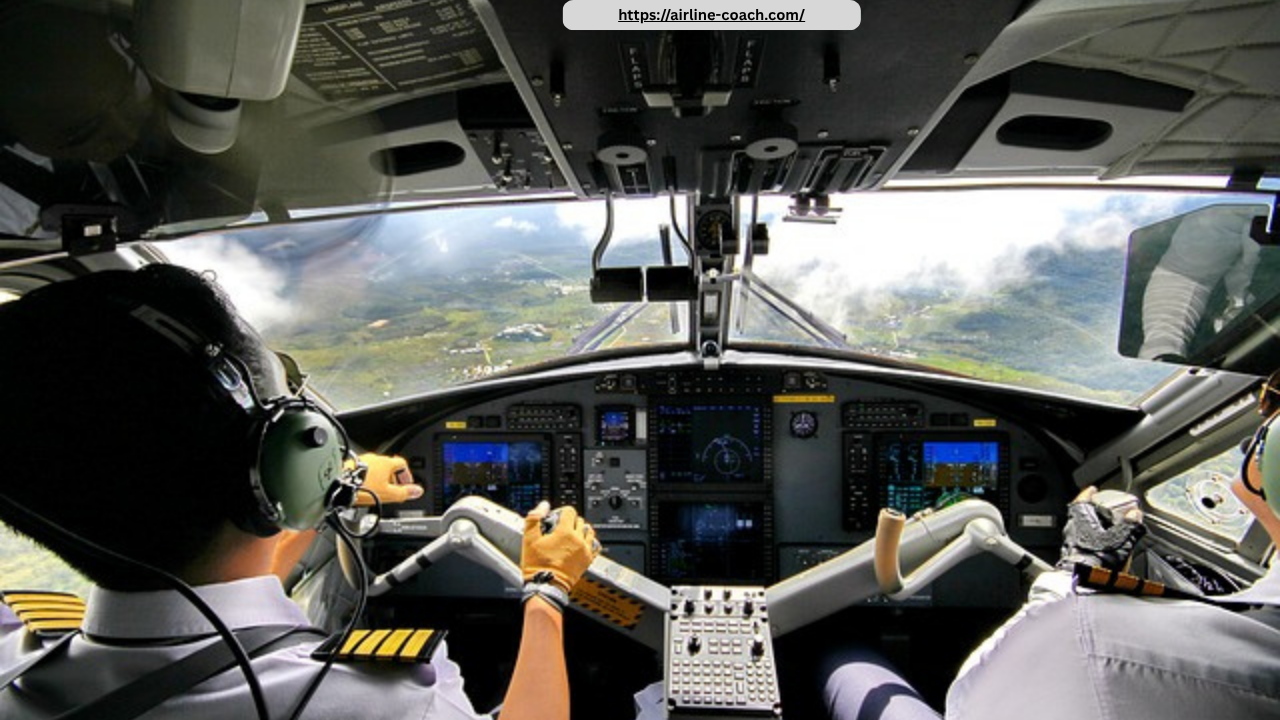
In the aviation industry, perfection isn’t just encouraged—it’s required. Pilots and cabin crew operate in a high-stakes environment where even the slightest error can have catastrophic consequences. This constant pressure to perform flawlessly, maintain composure, and adhere to rigorous safety standards has a profound psychological impact. For some, the burden becomes overwhelming, leading to a quiet struggle with substance abuse hidden behind the uniform and professionalism.
The Myth of Invincibility
Pilots and flight attendants are often seen as composed, capable, and in control. The cockpit and cabin are associated with order, precision, and authority. This myth of invincibility creates an expectation that aviation professionals must be immune to the emotional toll of their responsibilities. In reality, the pursuit of perfection can be mentally exhausting and emotionally isolating, leaving little room for vulnerability.
Performance Pressure and Psychological Strain
Pilots, in particular, face intense scrutiny. Every flight involves a multitude of technical decisions, communication with air traffic control, and the management of unpredictable conditions. Meanwhile, cabin crew members must juggle customer service with emergency preparedness, conflict resolution, and strict safety compliance. Mistakes are not tolerated, and the fear of disciplinary action or job loss adds to the psychological strain.
Turning to Substances for Relief
To cope with these pressures, some aviation professionals turn to alcohol, stimulants, or prescription medications. Alcohol is often used to unwind after flights or to deal with emotional fatigue. Stimulants might be used to combat jet lag and maintain alertness, while sedatives help with sleep during irregular rest periods. These substances may initially seem like manageable tools, but over time, they can develop into dependency and addiction.
A Culture of Silence
Despite the severity of the issue, substance abuse is rarely openly discussed in aviation. Admitting to a problem is perceived as a career-ending move. Pilots worry about being grounded permanently, while cabin crew fear dismissal or blacklisting. This fear fosters a culture of silence, where many struggle alone, hiding their issues rather than seeking help. The very systems designed to protect safety can, paradoxically, discourage transparency and early intervention.
Signs Often Missed
Because aviation professionals are trained to maintain a calm and collected demeanor, warning signs of substance abuse often go unnoticed. Subtle behavioral changes, mood swings, or declining performance might be written off as fatigue or stress. Without active efforts to identify and support at-risk individuals, substance use can escalate to dangerous levels before anyone intervenes.
Reforming the Approach to Mental Health
Addressing substance abuse in aviation requires a compassionate and comprehensive approach. Confidential treatment programs, regular mental health assessments, and peer support networks can provide a lifeline for those struggling. It’s also critical to revise industry policies that currently punish disclosure, replacing them with frameworks that encourage recovery and rehabilitation.
Conclusion
The pressure to be perfect in aviation can drive even the most competent professionals toward harmful coping mechanisms. Substance abuse among flight crews is a hidden crisis, fueled by stigma and fear. To truly protect the integrity of the industry, aviation must prioritize mental health, foster open dialogue, and provide the resources necessary for prevention and recovery. Only then can we move beyond cockpit confessions and toward lasting change.