Jet Lag and Emotional Baggage: How Flight Crew Members Cope with Stress and Substance Use

The allure of a career in aviation is undeniable. With opportunities to travel the globe and the prestige of working above the clouds, it seems like a dream job. However, for flight crew members, the reality often includes grueling schedules, disrupted sleep, and emotional strain. These stressors can lead to unhealthy coping mechanisms, including the use of alcohol, prescription medications, and other substances. The constant push to remain composed and efficient despite extreme fatigue and personal sacrifice can have lasting consequences on mental and physical health.
Life in Constant Motion
One of the most taxing aspects of life as a flight crew member is the disruption of natural sleep cycles. Crossing multiple time zones in a matter of hours plays havoc on circadian rhythms, leading to chronic jet lag. This persistent fatigue affects mood, cognitive function, and overall well-being. Crew members often operate with limited rest, making it difficult to perform at their best. The body’s constant state of adaptation can result in long-term stress, exhaustion, and emotional numbness.
Emotional Disconnection and Loneliness
While the job brings people to new destinations daily, it also removes them from consistent relationships and support systems. Long layovers, extended time away from home, and the inability to maintain a regular social life contribute to emotional isolation. Many flight crew members find it difficult to establish or maintain romantic relationships, friendships, and family bonds. Over time, this disconnection can lead to loneliness, anxiety, and even depression.
Turning to Substances
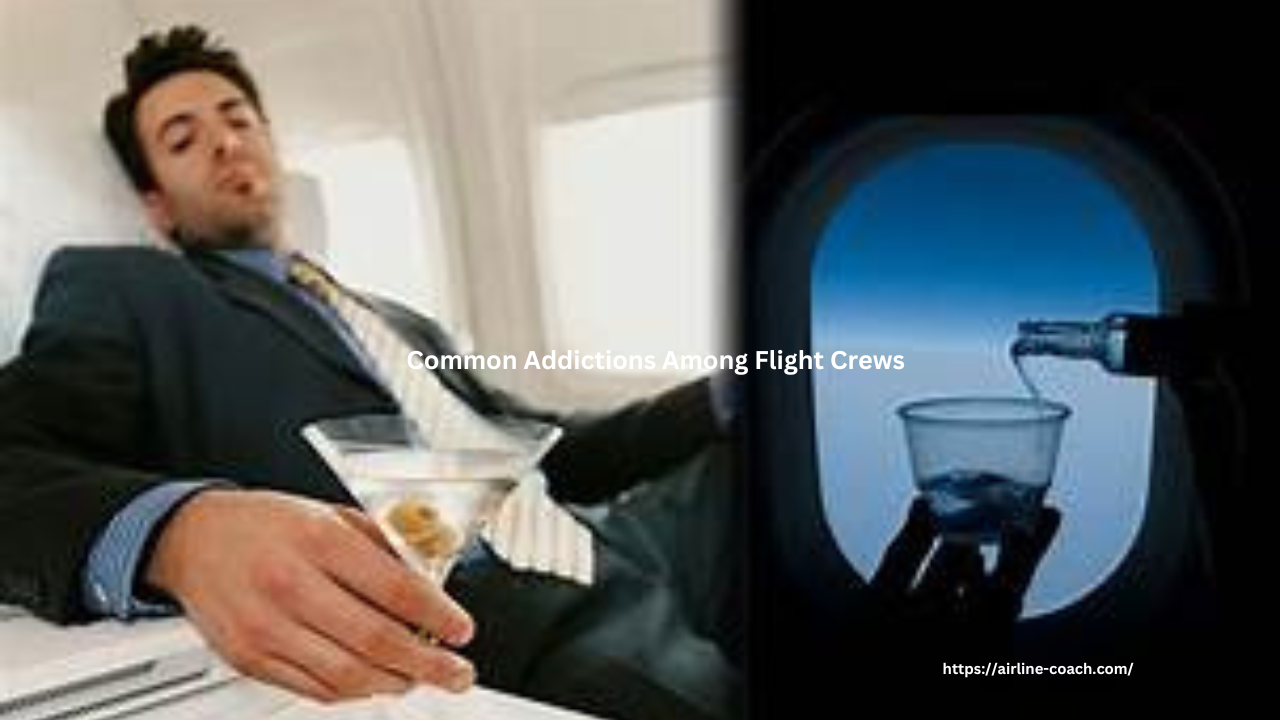
To manage the relentless demands of their profession, some flight crew members turn to substances. Alcohol is the most accessible and socially acceptable, often used as a way to unwind during layovers or cope with emotional detachment. Prescription drugs like sleeping pills and anti-anxiety medications are also common, helping crew members fall asleep quickly or manage in-flight anxiety. Unfortunately, reliance on these substances can escalate into dependency, creating a dangerous cycle of use and withdrawal.
Coping Behind the Curtain
Despite the challenges, many flight crew members develop unique coping mechanisms to manage stress. Exercise, meditation, journaling, and connecting with fellow crew members are healthy strategies that can provide relief. Some airlines are beginning to recognize the importance of mental wellness and now offer employee assistance programs (EAPs) and mental health resources. Peer support groups and confidential counseling services have also gained traction, offering much-needed avenues for help.
Breaking the Silence
A significant barrier to recovery and support remains the stigma associated with mental health and substance use in the aviation industry. Many crew members worry about the repercussions of seeking help, fearing job loss or being deemed unfit to fly. This fear perpetuates silence and delays intervention. Encouraging open conversations and creating a culture where mental health is prioritized can make a significant difference.
Conclusion
Behind the jet-setting lifestyle of flight crew members lies a complex reality of emotional stress, isolation, and the potential for substance use. Coping with jet lag and emotional baggage is a daily challenge for many in the aviation industry. By fostering a culture of support, offering accessible resources, and reducing stigma, airlines can help crew members navigate their mental health journey with resilience and hope.